Tilburgers take charge with ‘Energiefabriek013’
Tilburgers take charge with ‘Energiefabriek013’
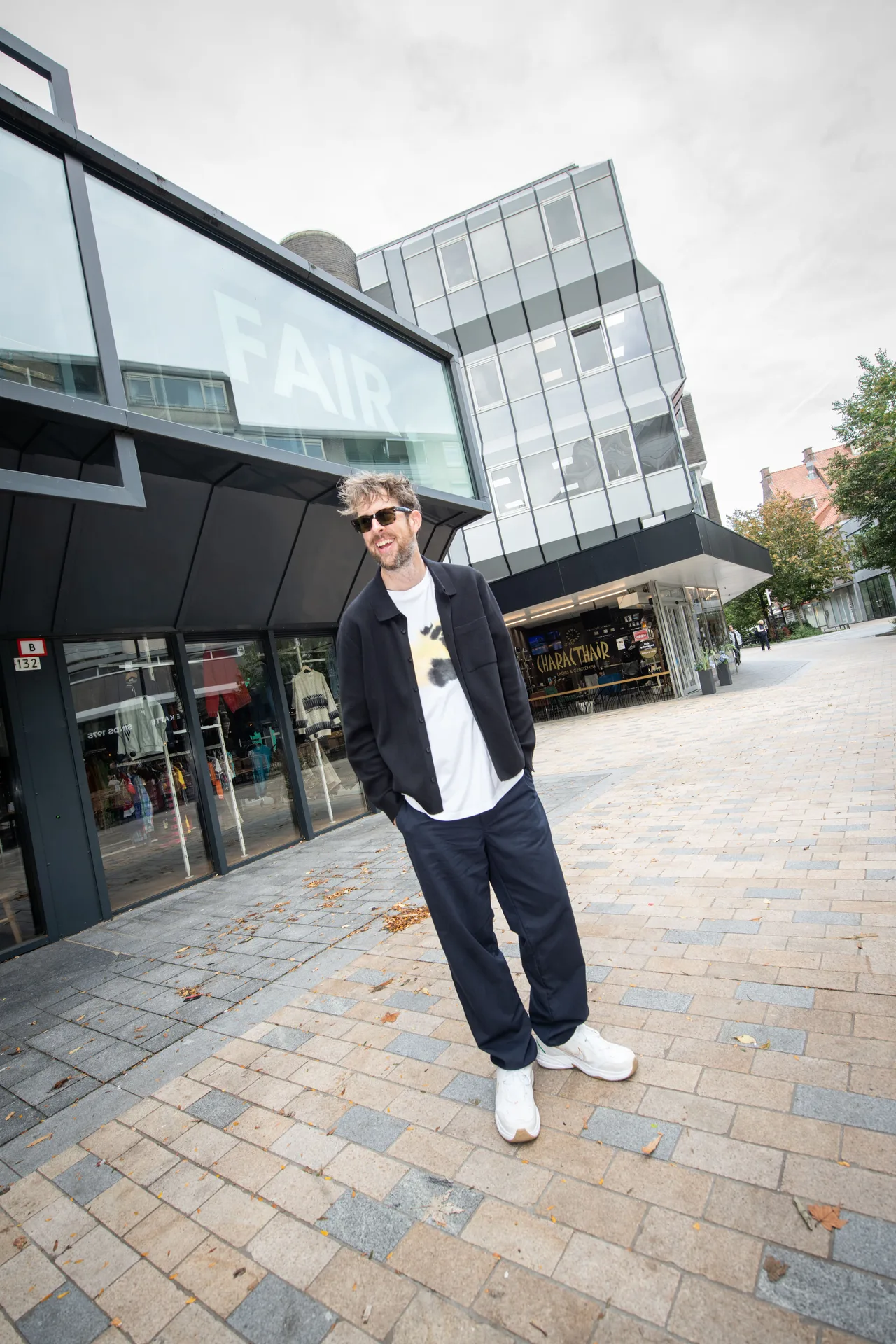
The step towards more sustainable ways of generating and using energy is absolutely essential. Only: how on earth do we make that happen? In Tilburg, residents are working with cooperatives to build their own sustainable energy systems and speak through citizen assemblies about the energy of the future. Michel Wesseling from ‘Energiefabriek 013’: “The energy transition influences everyone’s daily lives. So it’s only natural we should have a say in it.”
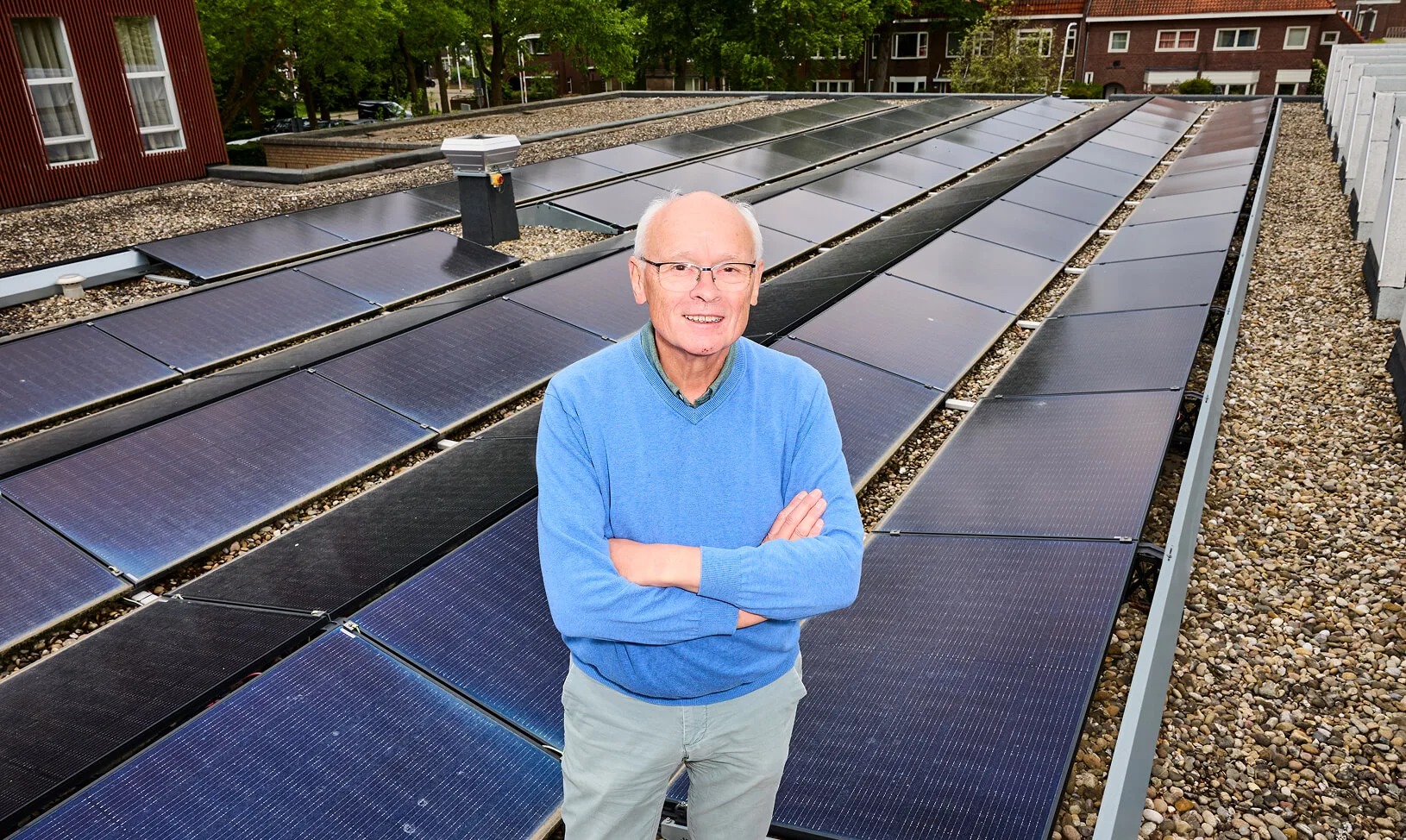
A deep blue electric car glimmers in the sun in front of Michel’s house. Ideally, he’d plug it straight into his solar panels. “But that isn’t possible yet. The electricity we generate here,” he tells, pointing to his roof, “first has to go back to the grid, which is already overloaded. And only then does it come back to our car via an indirect route.”
Power to the people
He thinks it’s ridiculous that it has to be so complicated. But it also demonstrates the crucial role of energy cooperatives like ‘Energiefabriek013’. “The way we generate sustainable energy is decided by the members of the cooperative together. Right now at ‘Energiefabriek 013’ we’re exploring the potential of neighborhood batteries to store self-generated energy. We do a feasibility study and help neighborhood initiatives in the city to start up the whole project: how do you secure funding, how do you get members, and how do you organize and manage it?” By doing it together, Michel explains, a battery or a whole row of solar panels is likely to arrive in the neighborhood faster than if you arranged it as an individual. “An energy cooperative gives people a sense of ownership, a way to have their say. And that, in turn, helps build support: the feeling that we are responsible together for sustainable energy use.”
An energy cooperative gives people a sense of ownership, a way to have their say. And that, in turn, helps build support: the feeling that we are responsible together for sustainable energy use.
Michel Wesseling
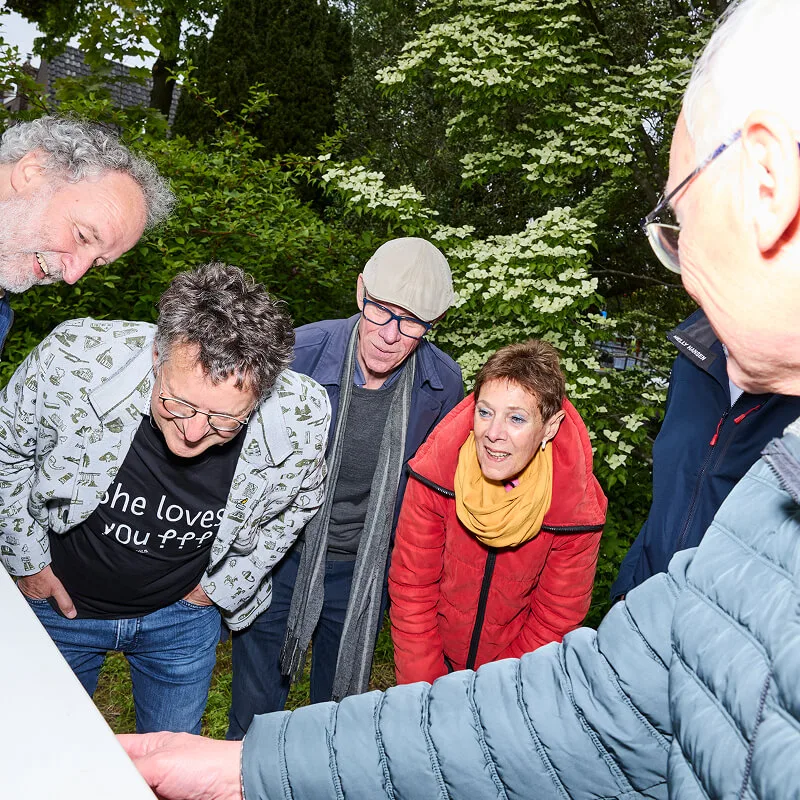
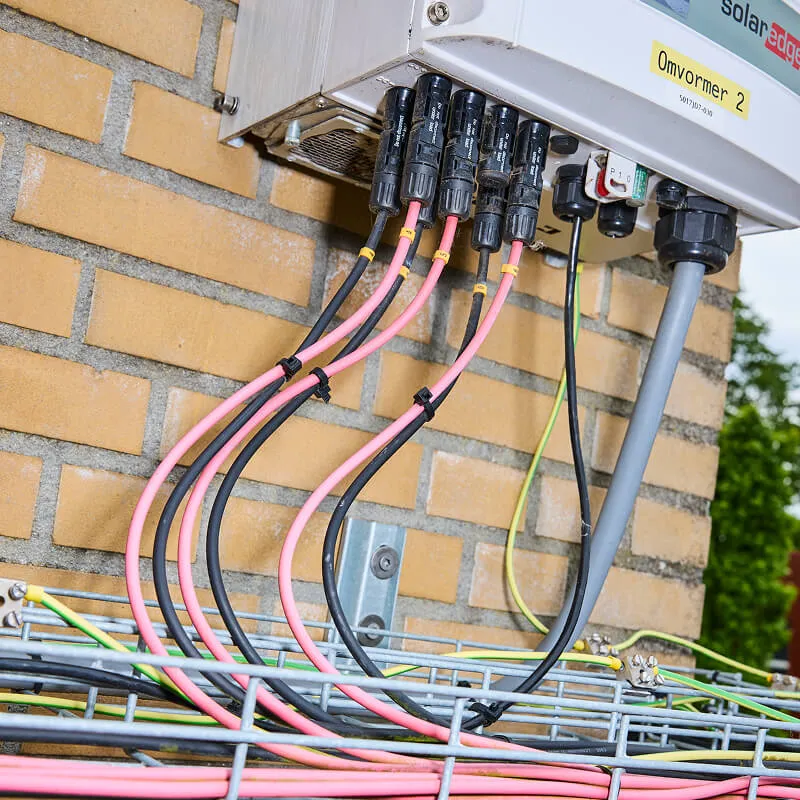
Tilburgers take the lead
But there is more. Because making decisions together with neighbors about solar panels and batteries is only one side of the coin. The energy transition is so extensive that it raises other questions. Like: how can the municipality make sure that the energy transition is carried out fairly? Michel: “Through the energy transition, our lives will change significantly in the coming years. Residents will see it directly on their electricity meters, in the kitchen, and in the bathroom. Then I think that you should at least have a say in it. That’s why we, at ‘Energieabriek013’, have been campaigning strongly for a citizens’ assembly.
A citizens’ assembly? Here’s a quick explanation. Around one hundred randomly selected residents - from all different neighborhoods and with all possible backgrounds – think together about important political issues. The idea is that the one hundred ordinary residents together can reach better recommendations than an expert working alone. The result: recommendations that reflect what a city like Tilburg—and the people who live there—really need.
If you empower Tilburgers, you’ll get it back twofold.
Michel Wesseling
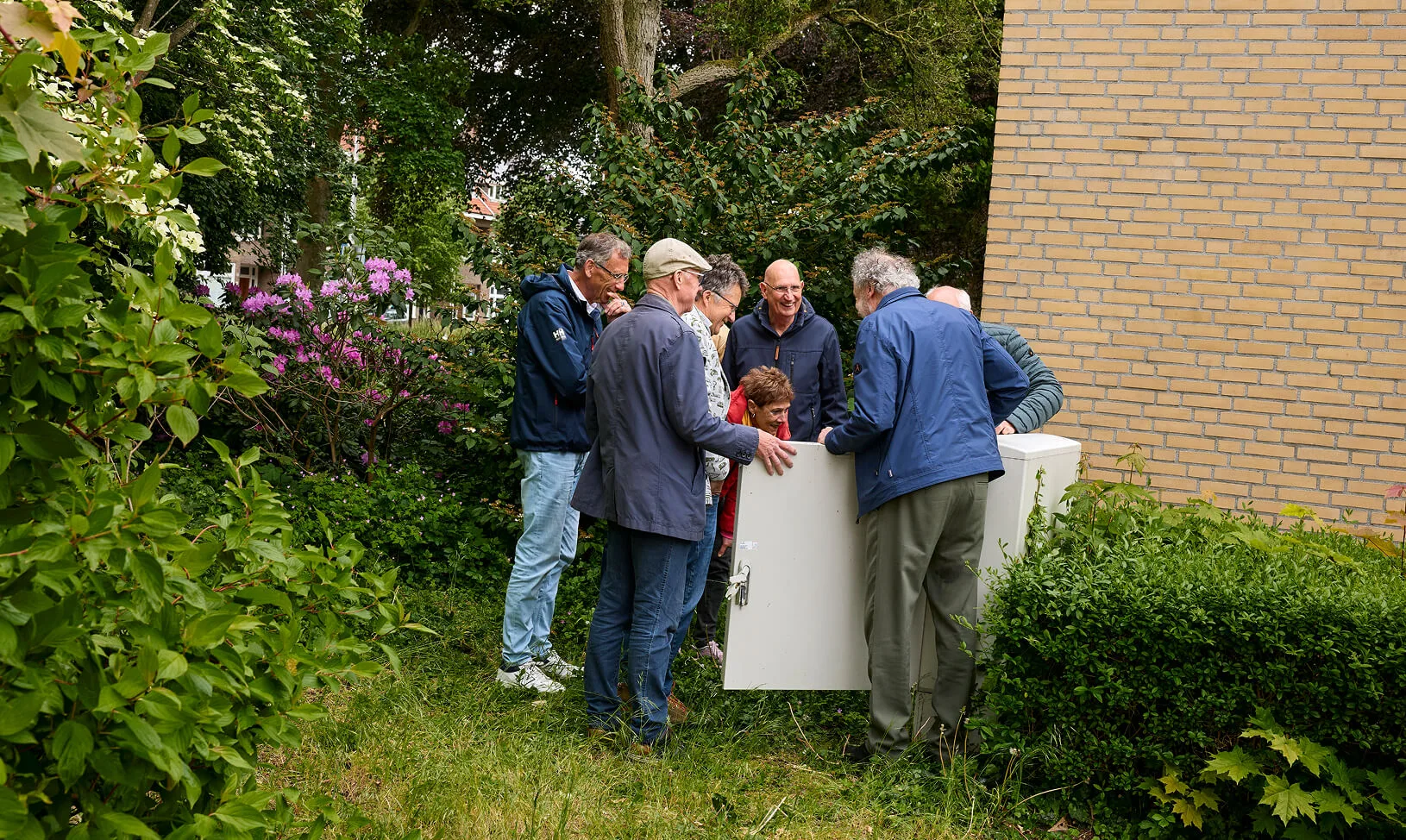
The campaigning by ‘Energiefabriek013’ has paid off: the first Tilburg citizens’ assembly is a reality. “In total 120 Tilburgers contributed ideas to a fair energy transition. 120 people! And the result was 18 recommendations, most of which have been adopted by the municipality. The realization that we have managed to achieve that makes me incredibly proud.” The initiative group is now investigating, together with some of the participants from the first Tilburg assembly, the possibilities of a permanent assembly in Tilburg. “Nice, right? If you empower Tilburgers, you’ll get it back twofold.”