Hidden in plain sight, a conversation with Tithia Adema
Hidden in plain sight, a conversation with Tithia Adema
As I walk through the city, stories unfold that, taken together, tell its history. Tilburg originated from several separate centres that gradually grew together. As a result, all manner of architectural styles stand side by side; amidst all the modernisation, they bear witness to the city’s textile heritage and the rich religious life of the past. “With the thousands of homes planned, we must preserve that past. In this way, we can continue to grow whilst preserving the story of this place.”
At first glance, Tilburg seems like a chaotic jumble, but if you look more closely, you start to notice patterns: the streets laid out in the original settlements, the religious complexes and, of course, the remaining textile factories. The city once had more than forty monasteries. Some of these are still home to nuns or friars, such as the convent behind the theatre. Many people cycle past such a monument without knowing the story behind it. I think the Rendierhoeve is one of the most wonderful places. From 1903 onwards, it was home to French Trappist nuns. Later, a textile magnate bought the building and named it after the reindeer in his company logo. After that, it served as a clubhouse for a Scouting group, a café, and even housed a cycling track. It now stands empty. “I hope we can give this place a new role that ties in with its past.”
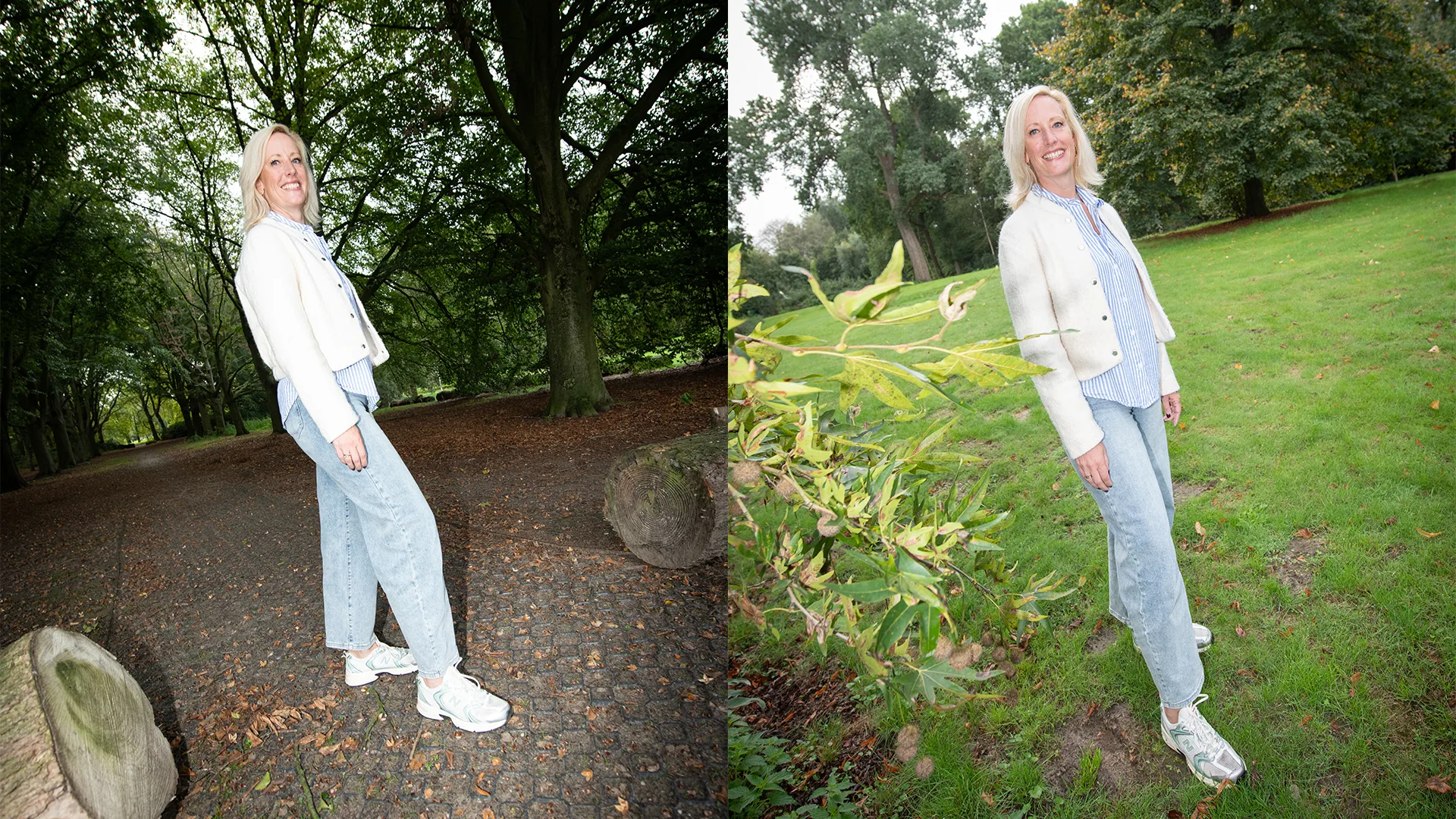
At first glance, Tilburg seems like a chaotic jumble, but if you look more closely, you start to notice patterns.
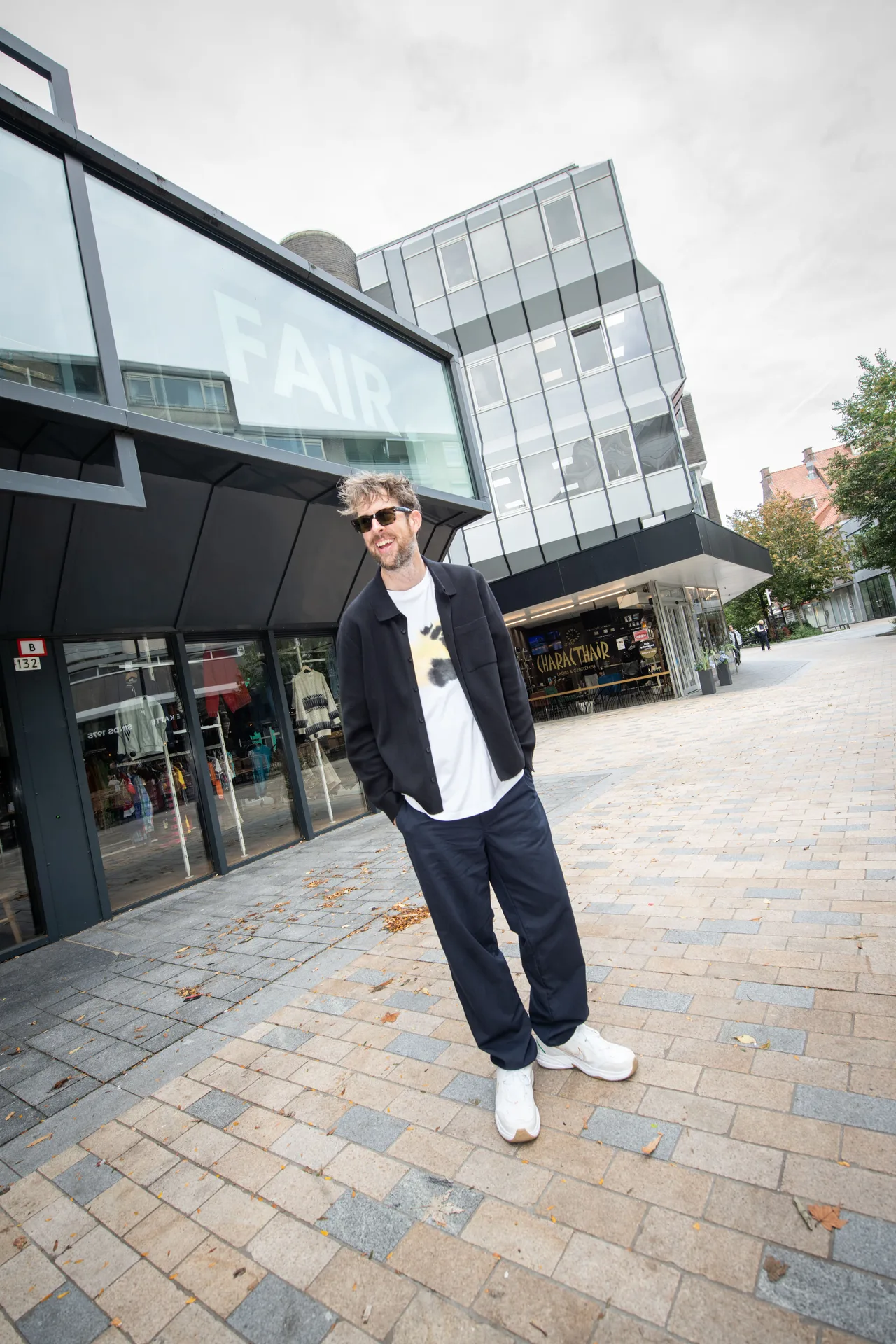
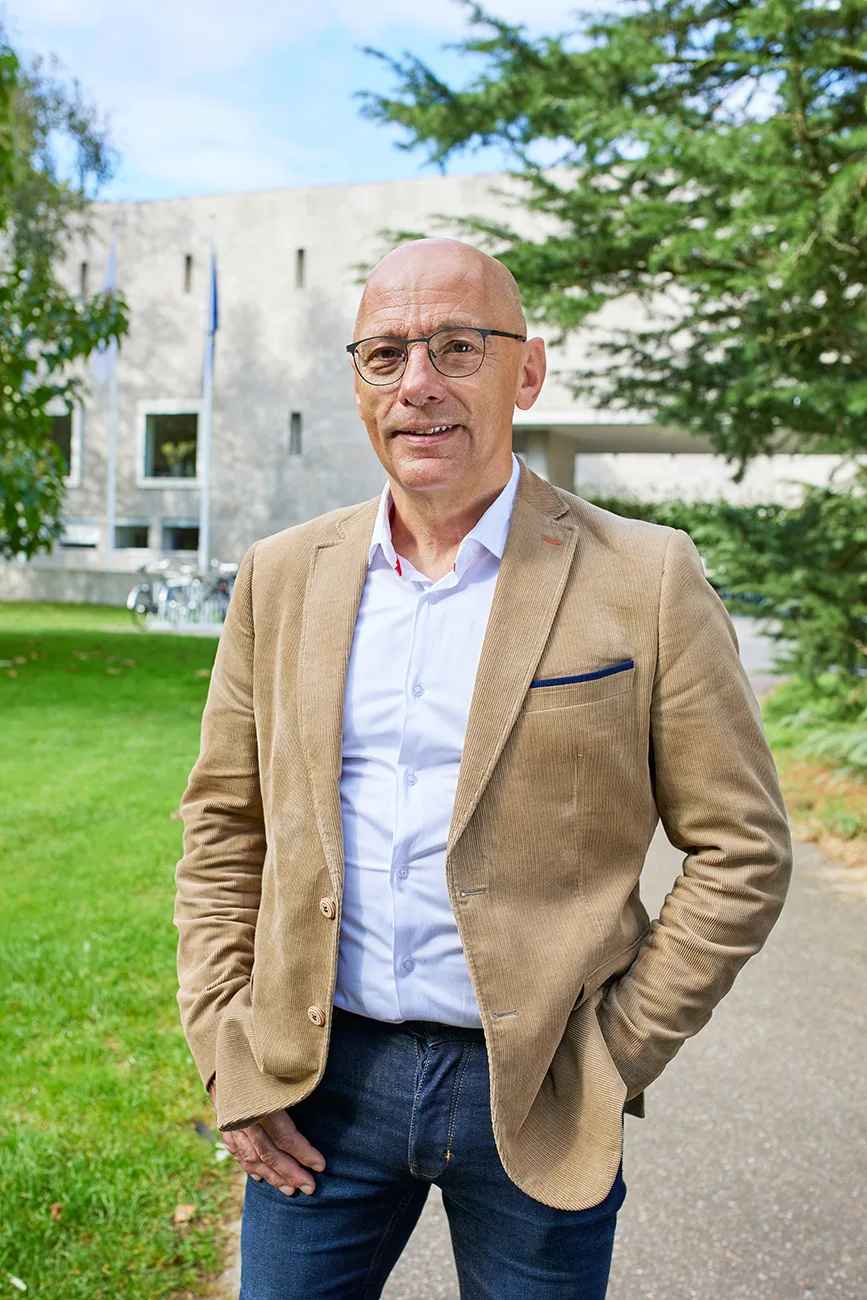
Tithia Adema
Why not cycle along the Bredaseweg, the road linking Tilburg to Breda, which played a key role in Tilburg’s development from a village into an industrial town? From the 19th century onwards, the road evolved into an avenue of villas where textile manufacturers and other wealthy residents settled. Many of these homes were designed by leading architects, including the Bedaux family of architects from Tilburg. At numbers 442 and 442a, the houses built by the Bedaux father, son and grandson stand side by side. The differences in style are clearly visible.
It’s not just buildings that lie hidden here in plain sight. Thousands of people drive past Leijpark every day. It’s a stunning park where virtually nothing ever happens. A small addition, such as a kiosk or a walking route running through it, could open up the space and add a fantastic ‘new’ part to our city.