Changing your perspective, a conversation with Joy's van Lieshout
Changing your perspective, a conversation with Joy's van Lieshout
“Now I can die in peace; I’ve seen it all.” That’s what a woman in her eighties said, sitting next to me during a contemporary dance performance by De Zwermers, right there in a square in Tilburg West. Next to her, a little boy was going full throttle to the music, lost in his own adventure. In neighbourhoods like West, you have to bring art to the people, because they often don’t come into contact with it of their own accord.
It is precisely in these moments that you see the magical power of art and culture: it also touches people who wouldn’t normally set foot in the Theater or the Factorium. Still, when it comes to art, you’re quickly called to account. Take the ‘Draaiend Huis’ on the roundabout: people are up in arms about the cost, which I can understand. Put into perspective, it costs a few cents per resident per year, whilst we’re more than happy to fork out four euros per person for the Willem II football club. I don’t particularly care for football myself, but I’m genuinely pleased for the supporters and our city that it’s there. Let’s value art in the same way. In 2009, Kees Verhoeven occupied the Draaiend Huis to draw attention to money-wasting projects and his personal housing shortage. And so he added a new layer to the existing artwork. Supporters and opponents alike: let’s tone down that heated debate by cultivating it. For example, by selling ‘Draaiend Huis biscuits’: for every packet sold, one euro goes to the Food Bank. But my main call to action is this: bring more art and culture to the neighbourhoods outside the city centre. In West and Noord, there is more at stake socially. “That makes it more exciting and interesting for the artists too,” I think. And the impact of creative projects on quality of life is then very significant.
Roos Pierson
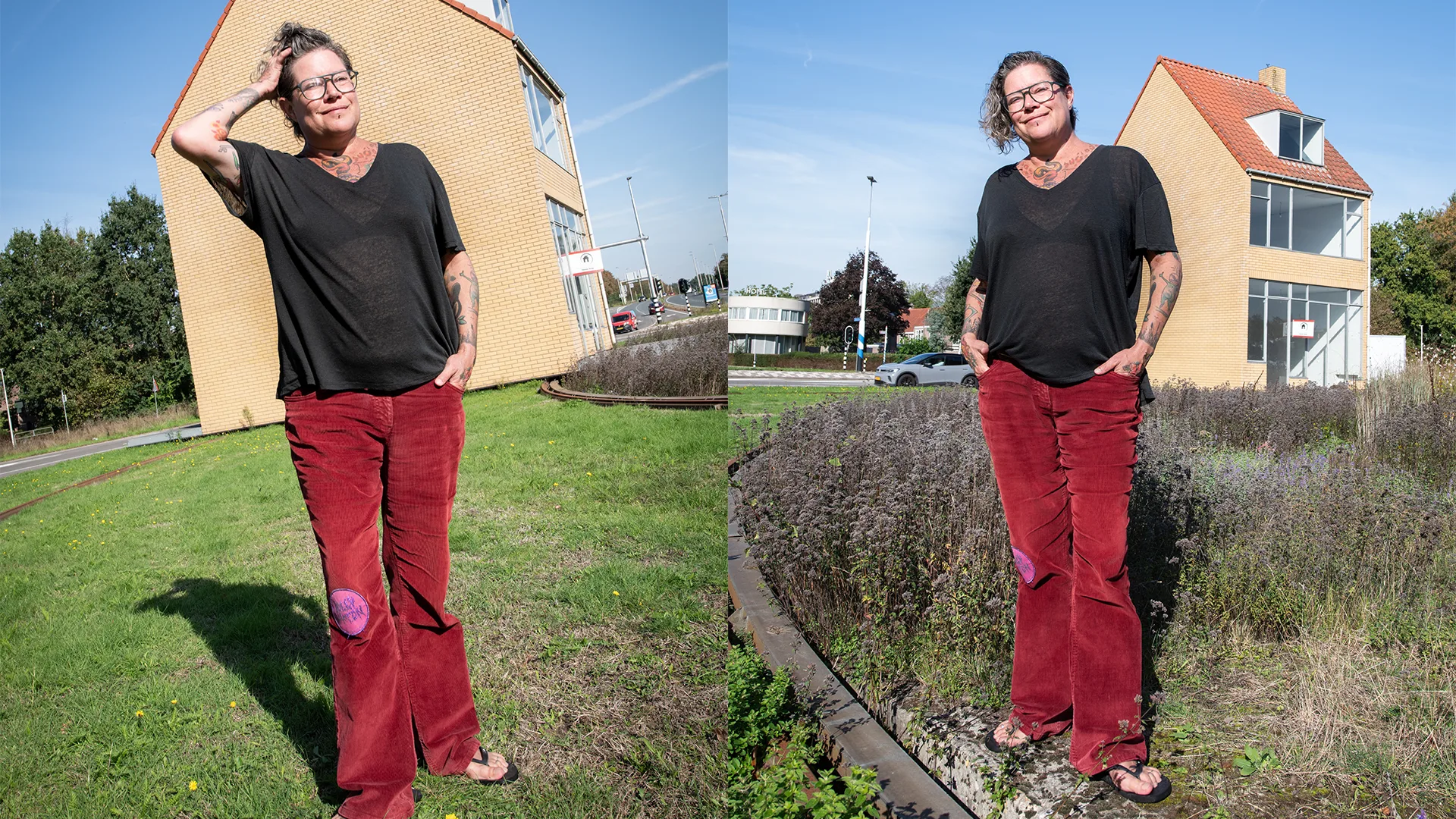
To truly understand Tilburg, you will need to practice looking more closely.
Joy's van Lieshout
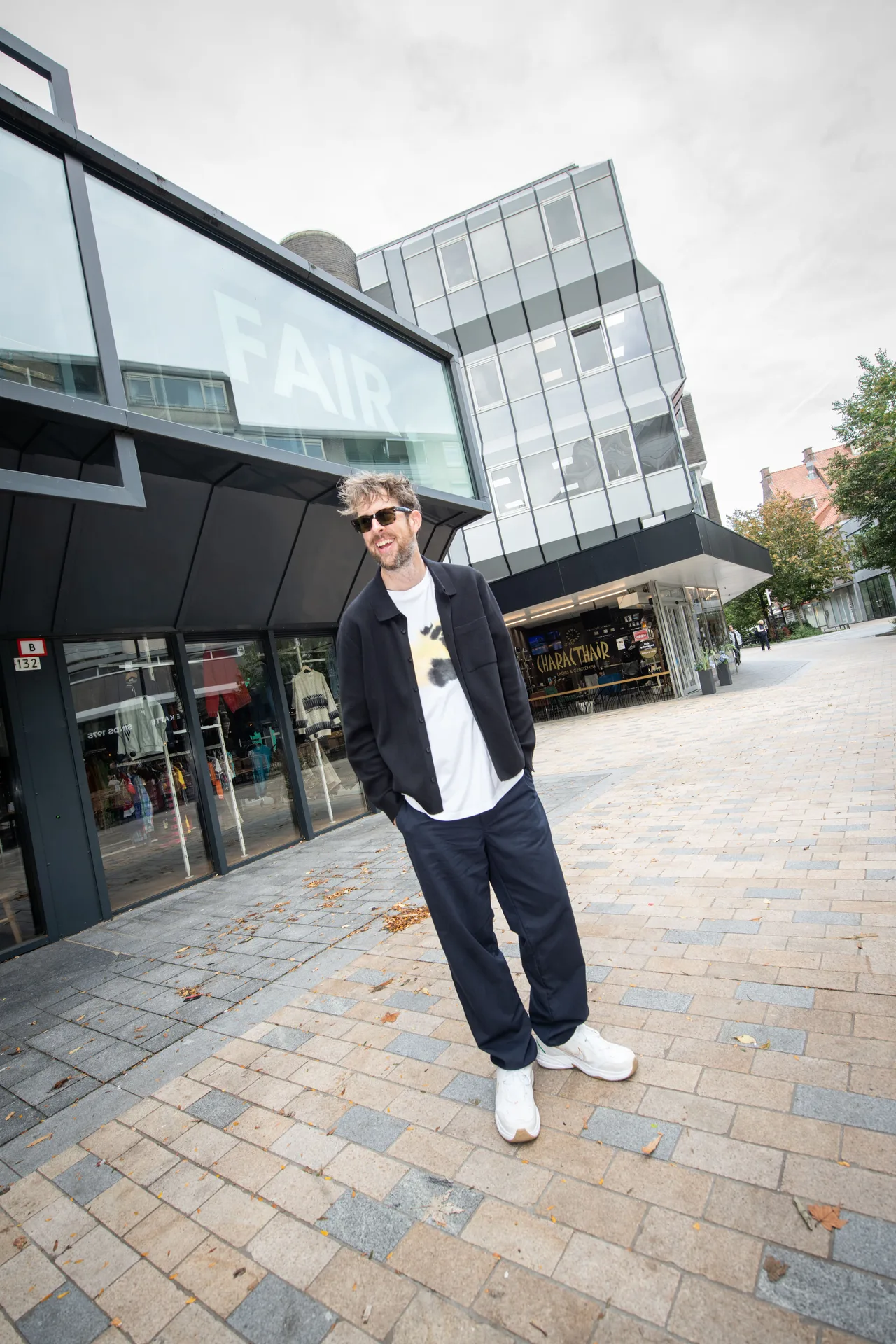
To truly understand Tilburg, you will need to practice looking more closely. As the owner of a bed and breakfast, I watch my international guests roam the city in wonder. “There isn’t a single straight street in Tilburg,” exclaimed a Swedish guest. Our city isn’t a sleek, sophisticated museum town, but a raw, authentic place where you can sometimes find twelve different architectural styles on a single street. Sometimes you have to look up. That’s when you spot the most beautiful historical details. What’s more, various street performers use the city as their canvas, which makes it feel very lively. Tilburg doesn’t need to be idyllic to be beautiful; the real beauty lies in its character, the winding streets and the people who, together, give the city its meaning.