Beyond our immediate impression, a conversation with Aniso Kariye
Beyond our immediate impression, a conversation with Aniso Kariye
My parents brought the custom of inviting the neighbours round for dinner with them to Tilburg. They’d simply ring the doorbell. That’s a bit of a culture shock for the Dutch, but my parents carried on doing it. “Somalis consider hospitality to be very important. Once the ice is broken, I notice that Dutch people really enjoy it too. For example, we invite our elderly neighbour round for dinner. The Moroccan, Turkish and Surinamese communities here also practise this kind of hospitality.”
Outsiders are sometimes quick to judge the functional brick buildings and boxy terraced houses, but anyone who steps into Tilburg West will experience a sense of vibrancy and warmth. The natural hospitality and genuine interest are, for me, at the heart of the neighbourhood. Around Christmas, young Muslims cook meals for lonely elderly people in the neighbourhood. At the annual iftar, hundreds of people from all walks of life come together.
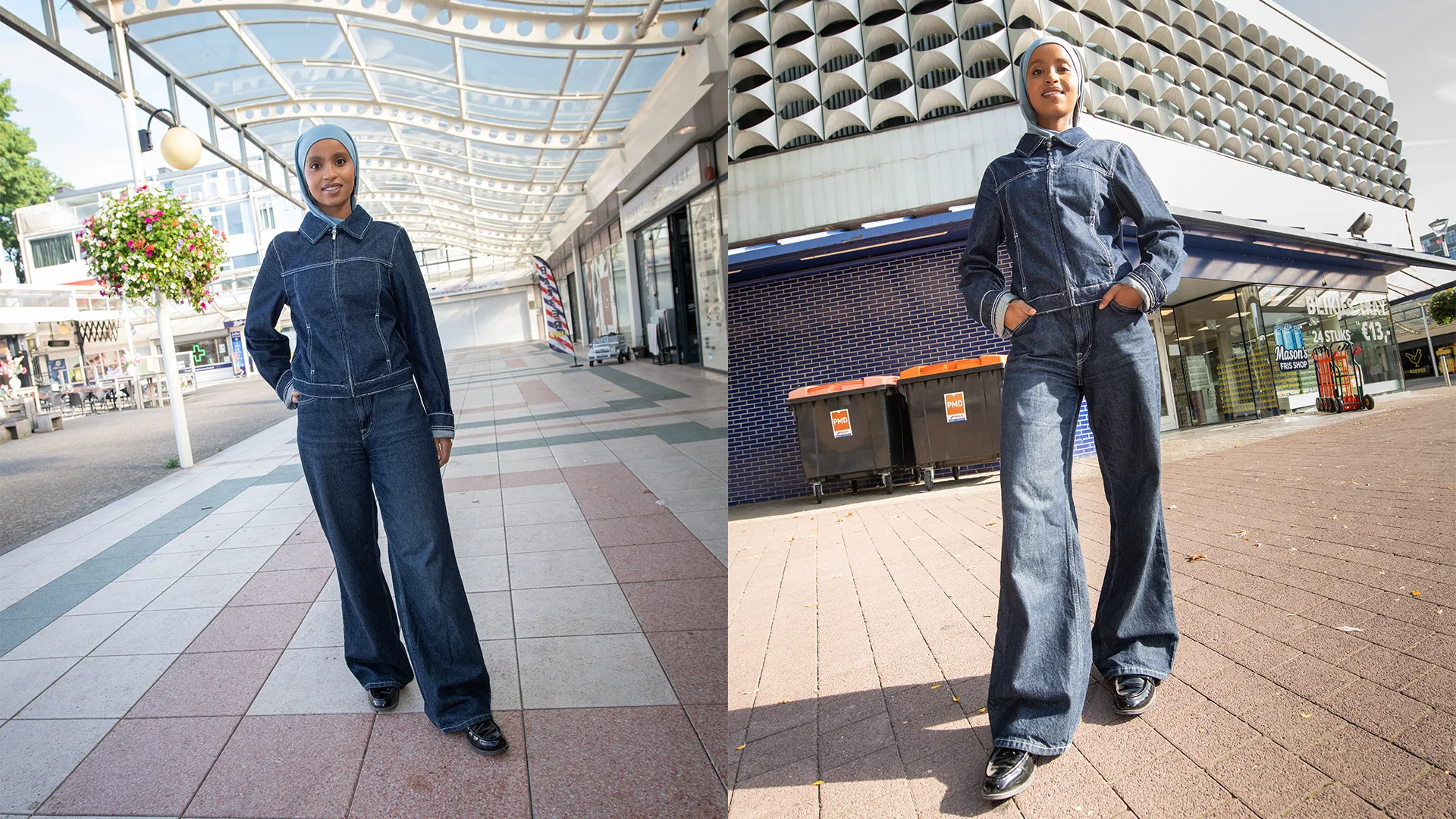
To me, Tilburg - and West in particular - isn’t some sleek, polished picture-perfect place.
Aniso Kariye
That sense of community also makes us tackle challenges together. During covid, we set up youth platform, We Speak. Some cultural customs clash with Dutch norms, and topics such as mental health are still sometimes considered taboo. Our platform makes these issues discussable and brings young people and parents closer together. We Speak gives young people a say in what should happen in the neighbourhood.
To me, Tilburg – and West in particular – isn’t some sleek, polished picture-perfect place. It’s that raw, unvarnished quality that leaves room to try new things; we’re a hands-on lot here. That’s why I invite people from other parts of the city to come and visit West. If you want to enjoy proper Surinamese food, head to Thelma’s. But for me, the heart of West is Bakkerij Afrah. Every day, university students, young people and local residents pop in here for a chat and a warm roll. It acts as an informal community centre where different generations and cultures come together. The rest of the city can learn from this neighbourhood: to make a genuine effort to meet and get to know one another.